
4th International Conference on One Health: Problems & Solutions Held at Khazar University
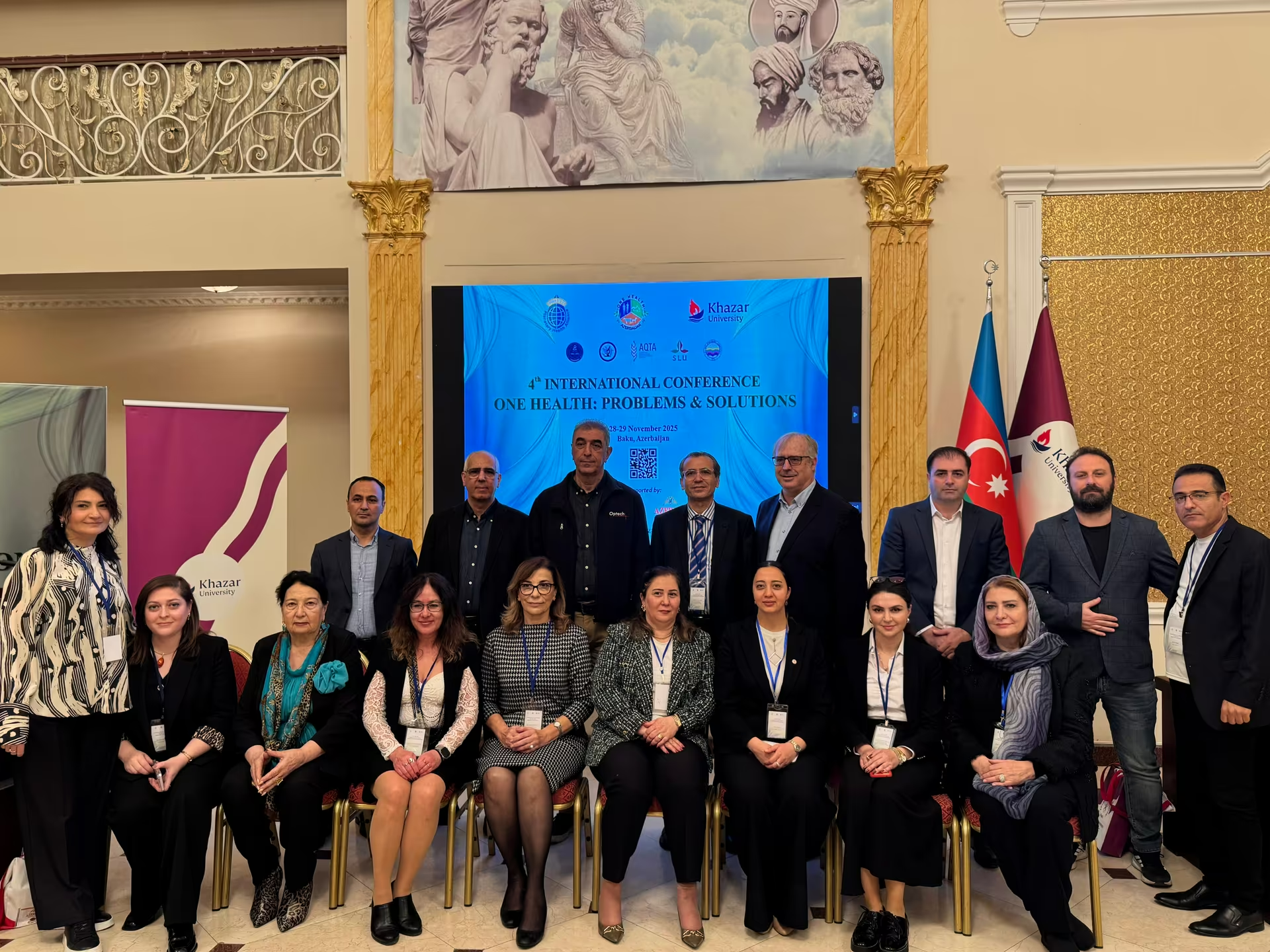
BAKU, Azerbaijan – On behalf of the Scientific and Organizing Committees, we are pleased to announce the 4th International Conference on One Health: Problems & Solutions, held on 28–29 November 2025 in the vibrant city of Baku, Azerbaijan, and hosted by Khazar University.
In its fourth edition, the conference offered an important academic forum focused on the theme “Local and Regional Systems Transformation for Planetary Health Systems Change.” This year’s event held special significance as it celebrated the 10th Anniversary of the Planetary Health Alliance (PHA), of which Khazar University is a committed and active member.
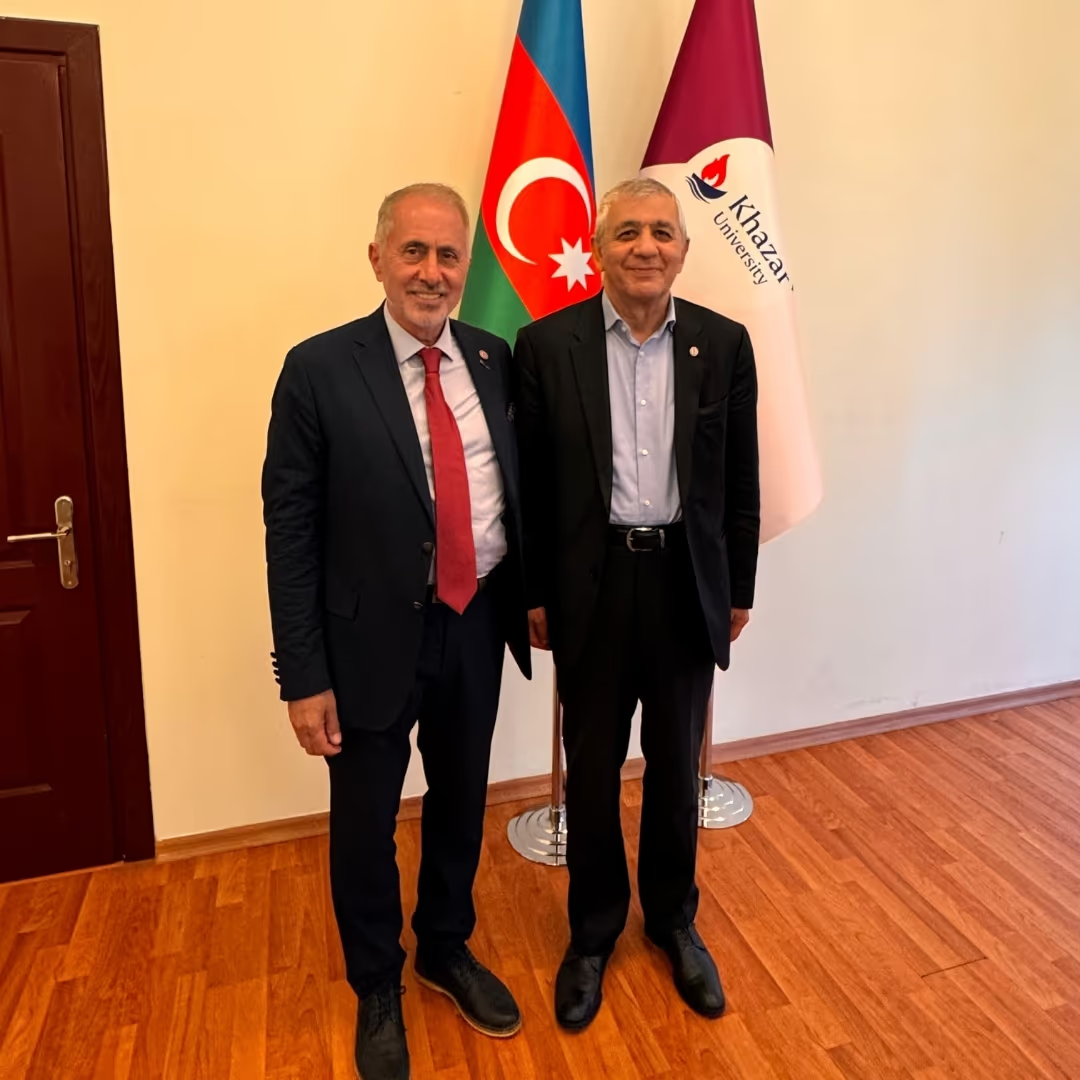
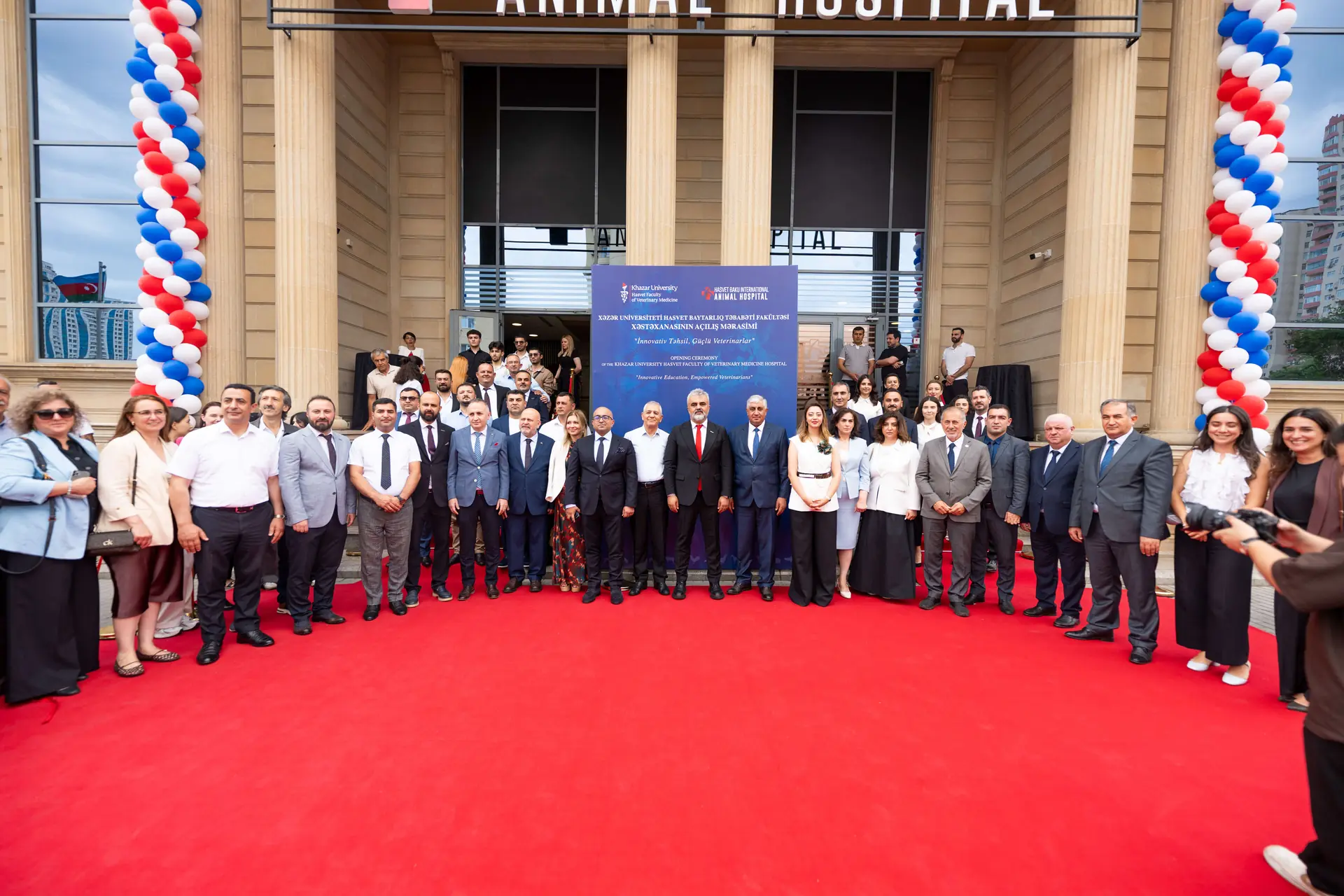
The conference was distinguished by the significant support of its partners and sponsors. Hasvet Medical contributed to the success of the event as a Platinum Sponsor. Representing the company, Mr. Mehmet Koçak, Assistant Coordinator of the Hasvet Baku Unit, attended the conference and was presented with an official plaque in recognition of Hasvet Medical's valuable support and participation in the One Health initiative.
Co-organized with the Azerbaijan Medical University, the Veli Akhundov Institute of Medical Prophylaxis, the Food Safety Agency of Azerbaijan, the Swedish University of Agricultural Sciences (LEARNSAVE Project), the Kazakh National Agrarian Research University, and the Caucasus University Association, the conference convened leading scholars, policymakers, and practitioners to address emerging challenges at the human–animal–environment interface.
At the event, DVM. Chichek Aliyeva, Acting Dean of the Faculty of Veterinary Medicine at Khazar University, delivered a presentation titled “Zoonotic Dynamics of Rabies between Human and Animal Populations: The Case of Azerbaijan.” Her talk emphasized the ongoing public and veterinary health burden posed by rabies in the country, driven by its continued circulation among domestic, free-roaming, and wild animal populations. Highlighting gaps in surveillance and vaccination coverage, the study demonstrated a strong temporal and spatial association between animal outbreaks and human infections, underscoring the need for sustained dog vaccination programs, management of free-roaming populations, timely reporting, and strengthened One Health collaboration to advance toward national rabies elimination targets.
The conference program was structured around three strategic pillars:
· Youth Capacity Building – development of a Planetary Health Youth Leadership Program;
· Community-Based Solutions – establishment of a Community Action Grant mechanism to support regional initiatives;
· Dialogue Across Arts and the Humanities – support for creative and digital projects advancing planetary health awareness.
Additionally, the event provided extensive opportunities for sponsors and exhibitors to showcase their products, innovations, and services. All participants were awarded an official certificate at the conclusion of the conference.